
Digital Body Weight Scale
A large-display scale can help track weight trends while using this chart as a simple wellness checkpoint.
View Scales on AmazonEnter your height to estimate healthy weight ranges, review BMI categories, and understand how weight, strength, and body composition can change after menopause.
Check My Weight RangeEnter your height
See weight ranges
Review your BMI context
Your BMI estimate is above the general healthy adult range. BMI is a screening tool and does not directly measure body fat, muscle, bone density, or overall health.
Tip: After menopause, BMI is more useful when reviewed with waist size, strength, activity level, bone health, and medical history.
A healthy weight for postmenopausal women depends mostly on height, but the full picture also includes waist size, muscle, strength, bone health, appetite, medications, activity level, and medical history.
For example, a woman who is 5 ft 4 in has a general healthy BMI weight range of about 108 to 145 pounds. Taller or shorter women will have different estimated ranges.
Simple tracking tools above, with a larger home fitness option featured below.
A large-display scale can help track weight trends while using this chart as a simple wellness checkpoint.
View Scales on AmazonA home monitor can support better awareness of heart-health numbers alongside weight and activity habits.
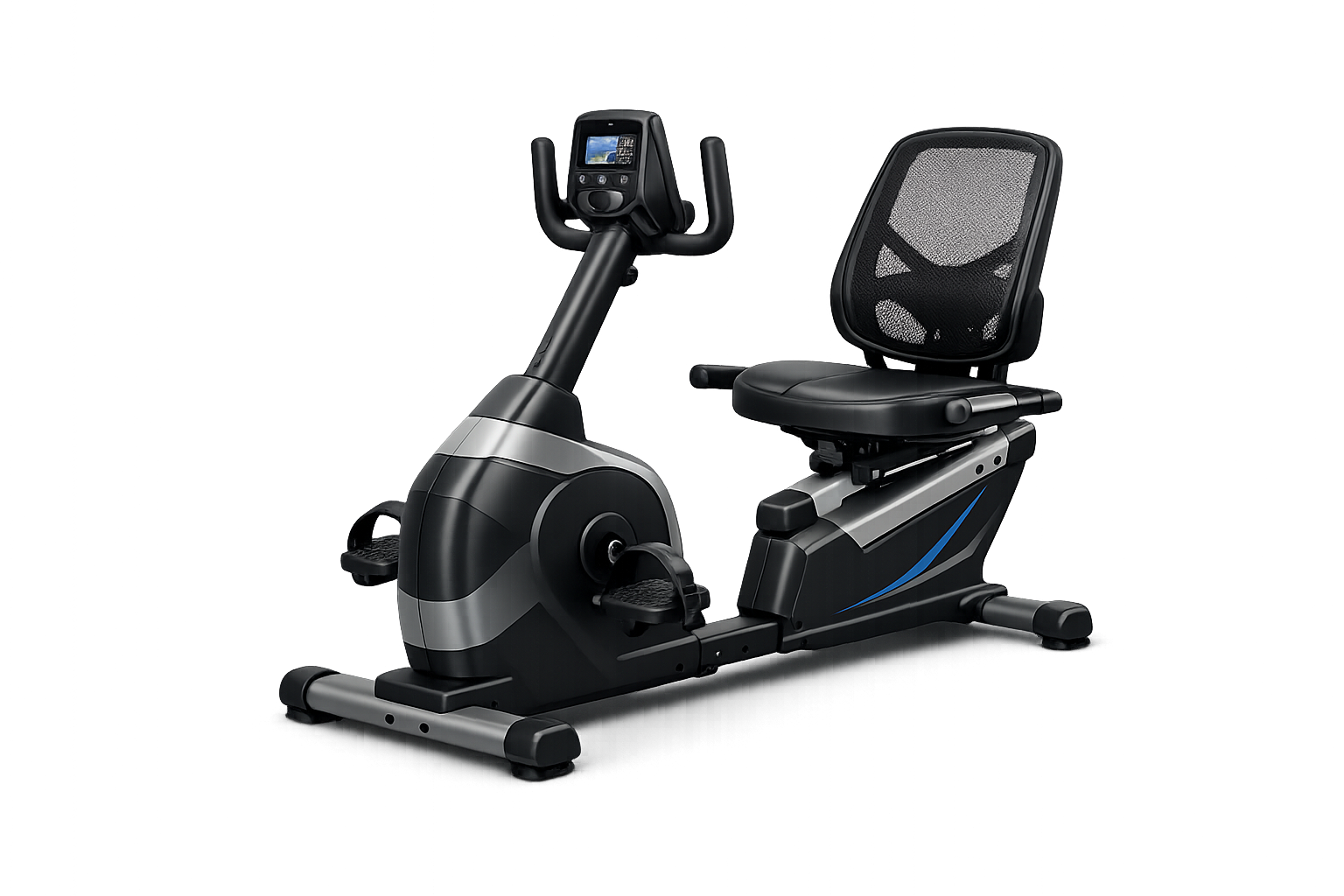
View Monitors on AmazonA recumbent exercise bike is a strong feature product for this page because it connects naturally to weight awareness, heart health, and lower-impact movement at home.
As an Amazon Associate, Tools.60AndOver.net may earn from qualifying purchases.
This chart estimates weight ranges by height using standard adult BMI categories. After menopause, BMI can be helpful as a starting point, but it should be reviewed with other health factors.
| BMI Category | BMI Range | Estimated Weight for 5 ft 4 in | Postmenopause context |
|---|---|---|---|
| Underweight | Below 18.5 | Below 108 lb | Unplanned weight loss, low appetite, or low muscle mass may need review. |
| Healthy Weight | 18.5 – 24.9 | 108 – 145 lb | Often considered the general healthy adult BMI range, but strength and waist size still matter. |
| Overweight | 25.0 – 29.9 | 146 – 174 lb | May need context such as waist size, body composition, medications, and activity level. |
| Obesity | 30.0 and above | 175 lb and above | May be worth discussing with a qualified healthcare professional. |
Source: CDC adult BMI categories. This page is for general wellness education only.
Hormonal changes, lower muscle mass, sleep changes, appetite shifts, stress, medications, and activity level can all affect body weight after menopause.
The scale may not tell the whole story. Muscle, waist size, strength, bone health, and daily function can give better context than weight alone.
A healthy weight depends on height and personal health factors. BMI can estimate a general range, but it does not directly measure muscle, body fat, bone density, or fitness.
Use this tool as a guide, not a final answer. A qualified healthcare professional can help interpret weight changes in the context of your full health picture.
Enter your height first. The tool will show estimated underweight, healthy, overweight, and obesity ranges. Add your current weight to see a simple BMI snapshot.
The most helpful number is often the trend. Sudden weight loss, steady weight gain, weakness, or appetite changes may deserve attention.
Steady routines usually work better than extreme dieting. Walking, gentle cycling, simple strength exercises, protein-rich meals, hydration, sleep, and routine checkups can all support healthier weight goals.
Before starting a new exercise routine, especially with pain, dizziness, heart concerns, or balance issues, consider checking with a qualified healthcare professional.
A healthy weight depends mostly on height, but waist size, muscle, strength, bone health, activity level, medications, and medical history also matter.
BMI can be useful as a general screening tool, but it does not directly measure muscle, fat distribution, bone density, or overall fitness.
Weight gain after menopause can be influenced by hormonal changes, lower muscle mass, sleep, stress, diet, medications, and changes in activity level.
No. BMI should be reviewed with waist measurement, strength, blood pressure, lab work, bone health, nutrition, medications, and medical history.
Disclosure: As an Amazon Associate, we earn from qualifying purchases at no extra cost to you.