
Free Senior BMI Tool

bmi calculator for seniors over 65

Enter your age, height, and weight to check your BMI. Then review senior-specific context for adults 65 and older, including strength, appetite, waist size, mobility, and recent weight changes.

Use the BMI Calculator
For adults 65+ Standard BMI plus senior context
Under 18.5 Low BMI
18.5–24.9 Standard healthy range
25.0–29.9 Needs context
30.0+ Review full health picture

BMI is a helpful starting point, but it should not be the only number older adults use.

1
Enter height and weight

Use feet and pounds or metric units.

2
Get your BMI score

Review the standard adult category.

3
Read senior context

Understand what the number may miss after 65.

Quick Answer

How should seniors over 65 use a BMI calculator?

Seniors over 65 can use the same BMI formula as other adults, but the result should be read with more context. BMI only uses height and weight, so it cannot show muscle loss, strength, balance, waist size, appetite, or overall function.

This calculator gives you the standard BMI result first, then adds a senior-focused note so the number is easier to understand.

Calculate My BMI
📏

BMI Calculator

ft
in
lb

🔒 Your information is private and not stored.

Your BMI Result

BMI 26.6

Overweight Range

At 5 ft 6 in and 165 lb, this BMI estimate falls above the standard adult healthy weight range.

Underweight Below 18.5
Healthy Weight 18.5 – 24.9
Overweight 25.0 – 29.9
Obesity 30.0+

Why this BMI calculator is built for seniors over 65

Many BMI calculators stop after showing a number. That is not enough for seniors over 65. The same score can mean different things depending on strength, appetite, activity level, waist size, balance, and medical history.

This page keeps the standard BMI category visible, but it also adds a senior-focused context note so the result is not too shallow.
What BMI can and cannot tell you

BMI can estimate whether weight is low, within a standard healthy range, above that range, or in a higher obesity range. That makes it useful as a screening number.

But BMI cannot tell whether weight is coming from muscle, body fat, fluid, or bone structure. It also does not show balance, walking ability, appetite, energy, or daily function.

Helpful Wellness Picks for Seniors Over 65

Simple Amazon links for tracking weight, waist size, blood pressure, and lower-impact home movement.

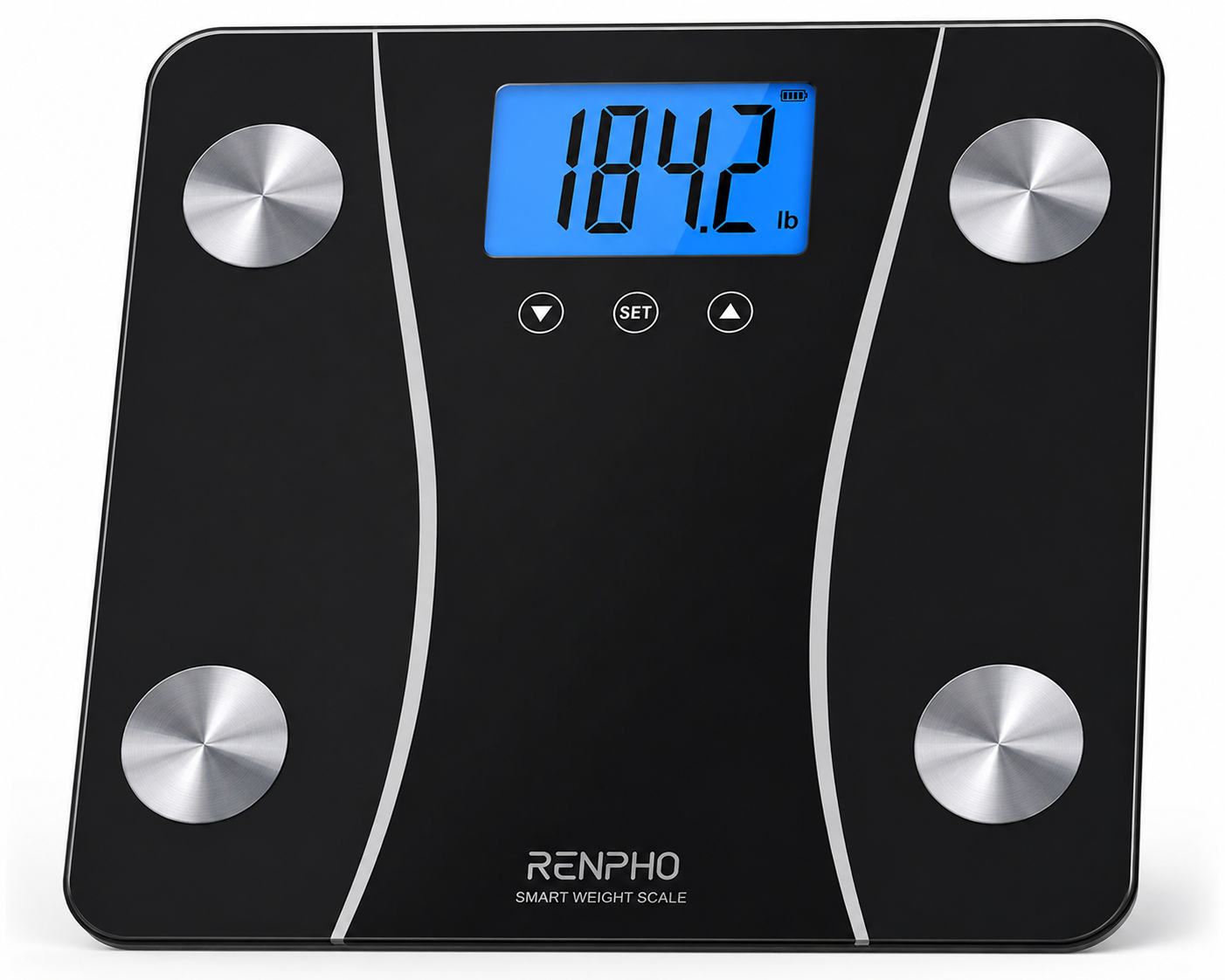
Digital body weight scale with large display for seniors

Digital Body Weight Scale

Helpful for tracking weight trends at home without relying on memory.

View Scales

Soft Measuring Tape

Waist size can add context because BMI does not show where weight is carried.

View Measuring Tapes
Large display blood pressure monitor for older adults

Blood Pressure Monitor

Useful for tracking another important health number alongside weight.

View Monitors

As an Amazon Associate, Tools.60AndOver.net may earn from qualifying purchases.

BMI Chart for Seniors Over 65

Use this chart as a general screening guide. For seniors over 65, the right side of the chart matters because the BMI number should be reviewed with strength, appetite, waist size, mobility, and recent weight changes.

BMI Range Standard Adult Category Senior Context What to Watch
Below 18.5 Underweight Can be a stronger caution flag after 65, especially with unplanned weight loss. Appetite, nutrition, weakness, muscle loss, fatigue, falls.
18.5 – 22.9 Healthy weight by standard adult BMI Still worth reviewing if strength, appetite, or energy is declining. Recent weight change, meals, strength, balance, walking ability.
23.0 – 24.9 Healthy weight by standard adult BMI Often a reasonable range, but BMI still does not show muscle or waist size. Waist size, activity, blood pressure, labs, daily function.
25.0 – 29.9 Overweight by standard adult BMI Needs context in seniors. Function and health markers matter. Waist size, blood pressure, blood sugar, joints, sleep, mobility.
30.0 and above Obesity by standard adult BMI Worth reviewing with the full health picture and a safe plan. Labs, waist size, pain, medication effects, mobility, nutrition.

This page is for general education only and is not medical advice. Speak with a healthcare professional before making major health or weight changes.

Why BMI under 23 may deserve a closer look after 65

A BMI below the middle of the standard healthy range is not always a problem, but for seniors it may deserve more attention when it comes with weakness, low appetite, weight loss, or reduced energy.

The concern is not the number alone. The concern is what may be happening behind the number.

Why BMI 25 to 29.9 is not always the full story

Standard adult BMI labels this range as overweight. For seniors over 65, that label should be handled carefully. A person’s waist size, strength, walking ability, blood pressure, blood sugar, and medical history may tell a more useful story.

This is why the calculator gives both the standard BMI result and the senior context result.

When weight loss should not be ignored

Unplanned weight loss can matter at any age, but it can be especially important after 65. A smaller appetite, loose clothing, weakness, falls, or sudden fatigue may be signs to bring up with a doctor.

A weight trend over time is often more useful than one isolated number.

When higher weight should be reviewed carefully

Higher weight may deserve more attention when it affects walking, breathing, sleep, joints, blood pressure, blood sugar, or daily comfort.

The safest approach is usually steady, practical health improvement, not harsh dieting or quick fixes.

FAQs About bmi calculator for seniors over 65

Is this BMI calculator only for seniors over 65?

This page is written for seniors over 65, but the BMI formula itself is the same adult formula. The senior context notes are what make the tool different.

What BMI is healthy for seniors over 65?

Standard adult BMI categories still use 18.5 to 24.9 as the healthy weight range. However, seniors over 65 should review BMI with strength, appetite, waist size, muscle, mobility, medications, and medical history.

Is BMI less accurate for older adults?

BMI can be less complete for older adults because it does not directly measure muscle loss, body fat location, bone density, balance, or physical function.

Should seniors lose weight if BMI is over 25?

Not based on BMI alone. A BMI over 25 should be reviewed with waist size, blood pressure, lab results, mobility, appetite, strength, and medical history.

Why does muscle matter when checking BMI after 65?

Muscle helps with strength, balance, walking, and daily independence. BMI does not show how much muscle a person has, so the number may miss an important part of senior health.

Disclosure: As an Amazon Associate, we earn from qualifying purchases at no extra cost to you.

Scroll to Top